
Organic Flavors Vs Natural Flavors: Which Is Better For Your Sparkling Water?
![[HERO] Organic Flavors Vs Natural Flavors: Which Is Better For Your Sparkling Water?](https://cdn.marblism.com/NOR8Ezf7bbv.webp)
You're standing in the beverage aisle, two cans of sparkling water in hand. One costs a bit more and says "organic flavors" instead. Is there really a difference, or is it just fancy marketing? Let's peel back the label and find out what's actually in your fizzy refreshment.
The "Natural Flavors" Illusion
Here's something that might surprise you: the term "natural flavors" doesn't mean what most of us think it means.
Sure, natural flavors start from real sources, fruits, vegetables, spices, and botanicals. That part is true. But here's the catch: that natural source is only a small piece of the puzzle. The FDA doesn't require companies to disclose everything that goes into their flavor formulations. And those hidden extras? They can make up roughly 80% of what you're actually consuming.
Wait, what?
Yep. When you see "natural flavors" on your favorite functional sparkling water, you're likely also getting a blend of preservatives, emulsifiers, solvents, and other additives that never make it onto the ingredient list. We're talking about things like propylene glycol, polysorbate 80, BHT, BHA, sodium benzoate, and potassium sorbate, none of which companies are required to label.
These "incidental additives" fly under the radar because the FDA considers them processing aids rather than actual ingredients. But they're still ending up in your body with every sip.
And here's another plot twist: despite the comforting word "natural," food chemists actually synthesize many of these flavors in laboratories. The difference between natural and artificial flavors often comes down to their original source, not their final chemical composition. In many cases, they're chemically identical.
What Makes Organic Flavors Different?
Now let's talk about organic flavors: and why they're a whole different story.
Organic flavors follow the stricter standards of the National Organic Program. This means they come with some important rules that natural flavors simply don't have to follow:
- No synthetic solvents allowed in processing
- No artificial preservatives like BHT or BHA
- No GMOs permitted
- At least 95% of the flavor must be certified organic
Remember those incidental additives we mentioned: propylene glycol, polysorbate 80, mono and diglycerides? They're specifically banned from organic flavor formulations.
This is a big deal for anyone who cares about what's actually going into their body. With organic flavors, you get much closer to the real thing: the actual fruit, the actual botanical, the actual plant essence: without the chemical baggage that often comes along for the ride.
Organic Flavors Vs Natural Flavors: The Real Breakdown
Let's make this simple. Here's how organic and natural flavors stack up against each other:
When you're choosing a functional sparkling water: especially one you're drinking for wellness benefits: these differences matter. A lot.
Why This Matters for Your Functional Sparkling Water
Here's the thing: if you're reaching for a functional beverage, you're probably doing it for a reason. Maybe you want to unwind after a stressful day. Maybe you're looking for something that supports your overall wellness without the junk. Maybe you're trying to be more intentional about what you put in your body.
Whatever your reason, it kind of defeats the purpose if your "clean" sparkling water is secretly loaded with synthetic solvents and mystery preservatives, right?
When it comes to functional sparkling water, the flavor source matters just as much as the adaptogens or botanicals inside. You wouldn't add organic milk thistle to a drink and then process it with propylene glycol. That just doesn't make sense.
This is exactly why transparency in labeling is so important: and why more wellness-focused brands are making the switch to organic flavors. It's not about being fancy. It's about being honest.
The Hormone Balance Connection
Let's get a little deeper for a moment.
Many of us are drawn to functional beverages because we're looking for support: whether that's stress relief, better focus, or hormone balance. And if hormone balance is on your radar, the hidden additives in natural flavors become even more concerning.
Some of the synthetic compounds commonly found in natural flavor formulations have been flagged by researchers for their potential to act as endocrine disruptors. These are chemicals that can interfere with your body's hormonal systems: the exact systems you might be trying to support with adaptogens and botanicals.
It's a bit ironic, isn't it? You choose a drink designed to help balance your hormones, but the hidden ingredients might be working against you.
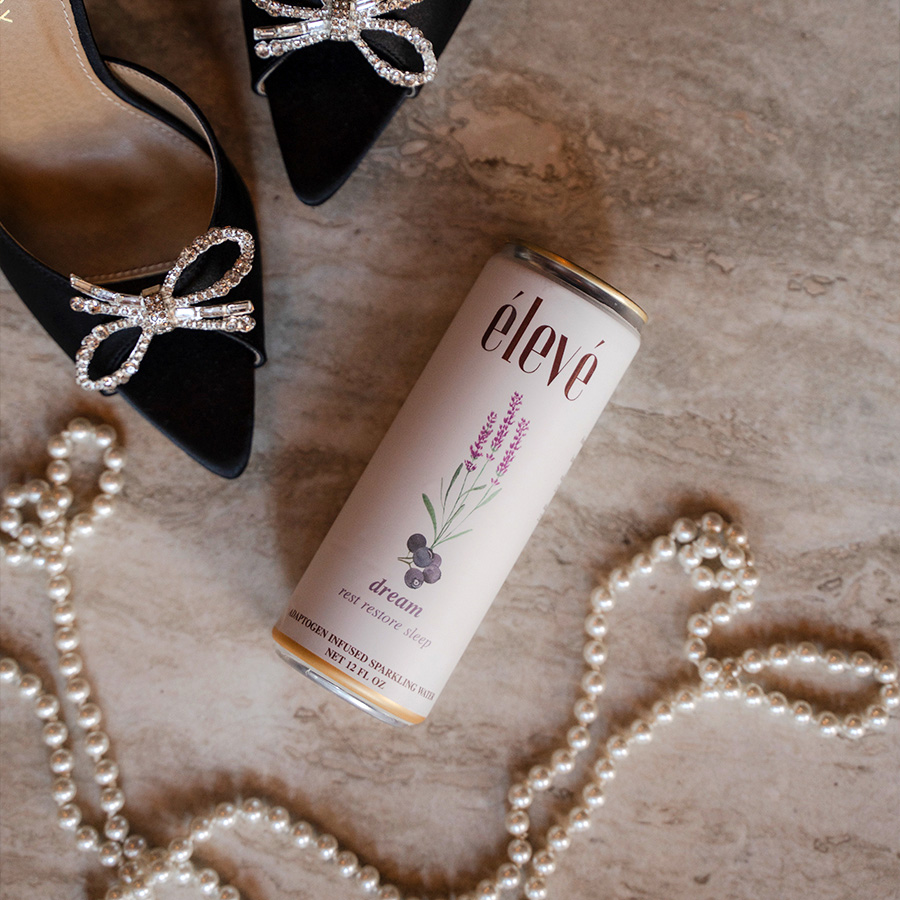
This is why choosing organic flavors isn't just about purity: it's about making sure every ingredient in your drink is working with your body, not against it. When you're sipping something for relaxation or hormonal harmony, every component should be pulling in the same direction.
How to Spot the Difference on Labels
Ready to become a label detective? Here's what to look for next time you're shopping:
Green flags:
- "USDA Certified Organic" seal
- "Organic natural flavors" or "organic flavors" in the ingredient list
- "Organic [specific fruit] extract" (like organic lemon extract)
- Botanical essences from certified organic sources
Yellow flags:
- Just "natural flavors" with no organic certification
- Vague ingredient lists with no specificity
The cleanest option? Look for sparkling waters flavored with extracts or botanical essences rather than generic "natural flavors." Extracts derived solely from the fruit source are closer to real food and may even retain trace nutrients from the original plant.
Why élevé Chooses Organic
At élevé, we believe that what's not in your drink is just as important as what is.
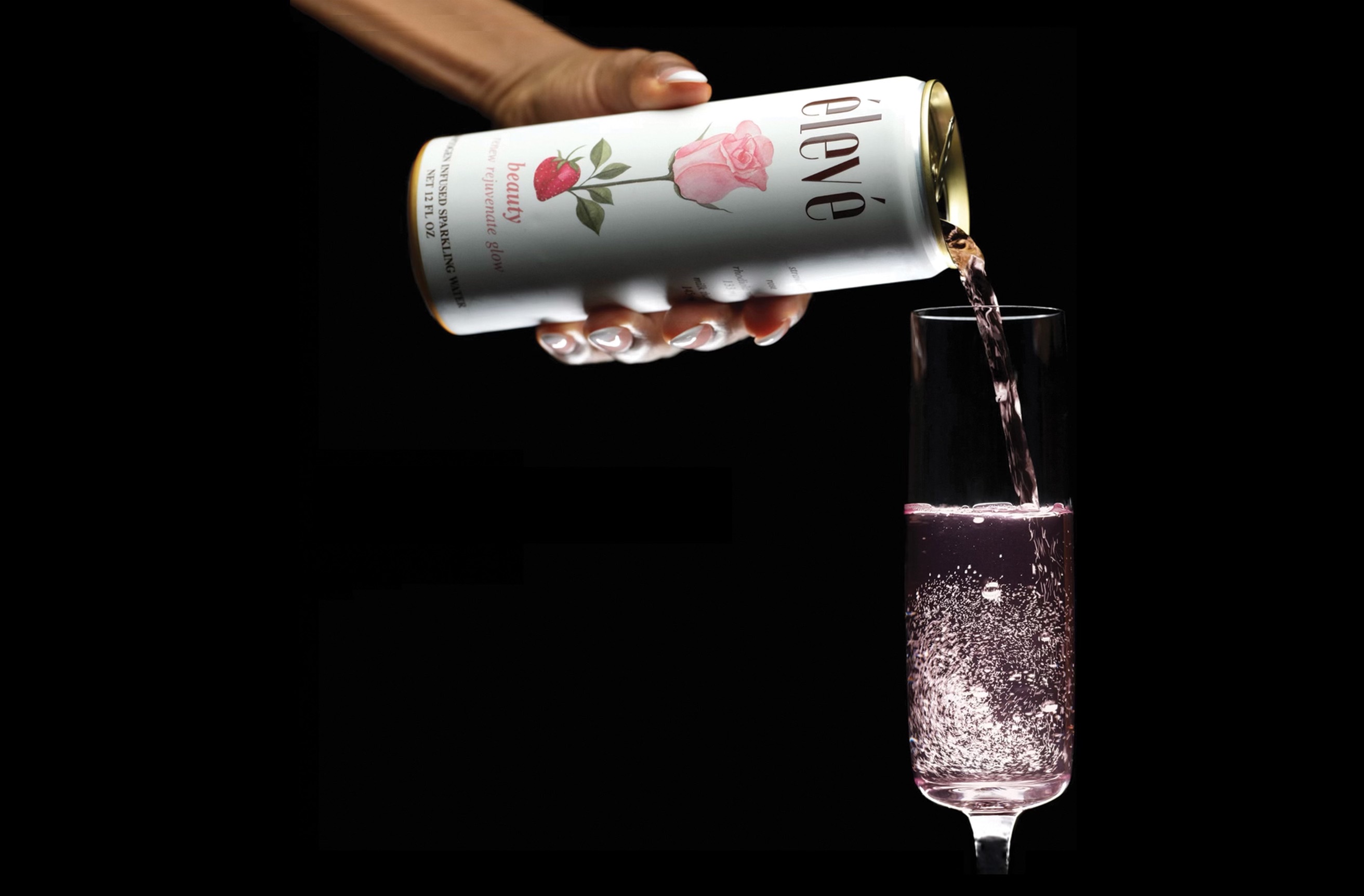
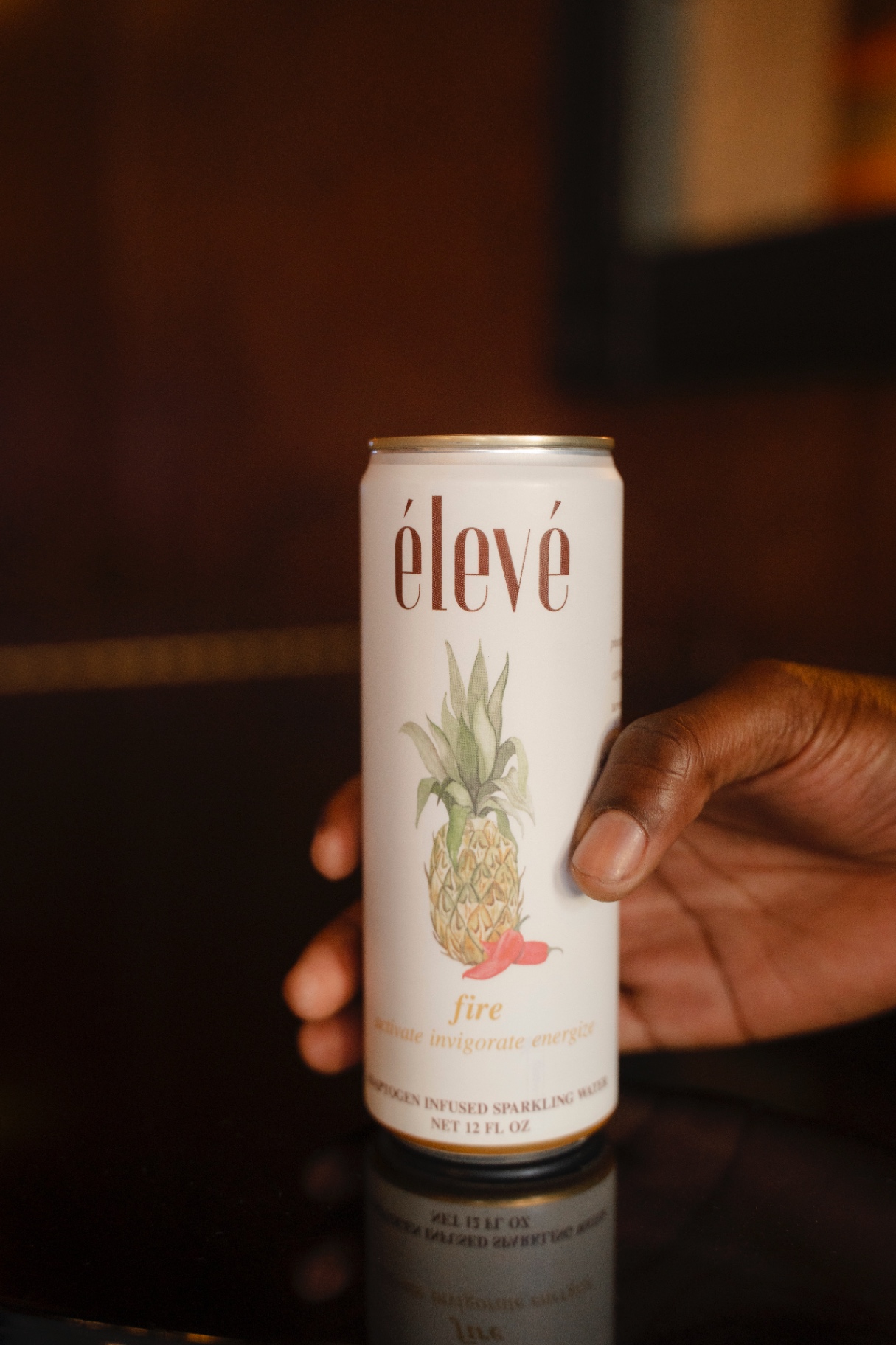
That's why we use organic flavors in our adaptogen-infused sparkling water. No synthetic solvents. No artificial preservatives. No mystery additives hiding behind vague label terms. Just clean, transparent ingredients that you can actually feel good about.
We crafted élevé to be a true functional sparkling water: one that supports stress relief and hormone balance without compromising on purity. When you're sipping on adaptogens designed to help your body find equilibrium, you deserve to know that everything in that can is working toward the same goal.
It's not about being perfect. It's about being intentional. And we think you deserve a sparkling water that's as clean and straightforward as it claims to be.
The Bottom Line
When it comes to organic flavors vs natural flavors, the choice is pretty clear for anyone who cares about transparency and wellness.
Natural flavors might sound harmless, but they can carry a hidden load of synthetic additives, solvents, and preservatives that never make it onto the label. Organic flavors, on the other hand, follow stricter standards that keep those extras out of your drink.
If you're choosing functional sparkling water for its wellness benefits: whether that's stress relief, relaxation, or hormone support: it makes sense to choose one that's transparent about every single ingredient.
Your body is doing a lot for you. The least your sparkling water can do is keep it simple.
Ready to try a cleaner fizz? Purchase online or find élevé near you and taste the difference that organic flavors make.